
Houston, Texas
MAY 19–23, 2027
Cement Reliability & Maintenance Optimization Seminar
Join us in Houston for a comprehensive seminar on cement reliability and maintenance.
Strengthen Equipment Reliability, Reduce Downtime, and Optimize Plant Performance
Unlock the full potential of your cement plant
The Cement Reliability & Maintenance Optimization Seminar is a high‑impact technical training program designed specifically for the operational and maintenance needs of cement plants. This intensive course provides practical tools, proven maintenance strategies, and modern reliability engineering methods to help maintenance teams, engineers, and plant leaders improve equipment performance, reduce operational risks, and achieve world‑class reliability standards.
What You'll Gain
Key Insights
Deep technical insight into key plant components, including kilns, vertical roller mills, coolers, girth gears, ball mills, and crushers.
Proven Techniques
Proven preventive maintenance techniques to reduce downtime and extend equipment life.
Reliability Strategies
Strategies to optimize reliability, boost availability, and lower maintenance costs.
Hands-On Guidance
Collaborate and implement top maintenance practices with real examples.
Hands-on guidance for implementing best-in-class maintenance practices
Tools to enhance team collaboration, maintenance quality, and workplace productivity
Updates on the latest industry trends, technologies, and innovations

Cement Reliability
This seminar covers the main equipment of the plant
This seminar will delve into the evolution, design, and maintenance of rotary kiln components that are essential for sustained performance and mechanical reliability.
🧱 Structural Design & Thermal Protection
- Kiln Shell Composition
Explore why mild steel plate remains the material of choice for kiln shells, and how its properties balance strength, flexibility, and thermal tolerance. - Thermal Management Strategies
Learn techniques to protect the shell from overheating, including refractory lining systems, shell cooling methods, and temperature monitoring practices. - Evolution of Shell Construction
Compare historical and modern kiln shell designs—from flat rolled plate assemblies to welded constructions—and understand how these changes affect rigidity, weight, and maintenance requirements.
🌀 Kiln Geometry & Process Optimization
- Shape Advancements
Examine how kiln geometry has evolved from simple cylindrical forms to expanded sections that enhance material bed depth and improve gas flow dynamics, especially at the back end. - Impact on Process Efficiency
Understand how design modifications influence heat transfer, residence time, and combustion efficiency.
🛞 Support Systems & Load Distribution
- Tires and Rollers
Learn how rotary kilns are supported to enable smooth rotation with minimal friction. Discover how the number and placement of tires are determined by kiln length to prevent sagging and structural stress. - Maintenance of Support Components
Gain insights into wear patterns, alignment checks, and lubrication practices for tires and rollers.
⚙️ Drive Mechanisms & Redundancy
- Girth Gear & Pinion vs. Friction Drive
Compare drive systems used to rotate the kiln, including gear-based and friction-based methods. Understand how gear positioning near the kiln’s midpoint helps minimize torsional distortion. - Auxiliary Drive Systems
Explore the role of backup drives in maintaining rotation during main drive failure, ensuring kiln integrity and preventing refractory damage.


This seminar provides an overview of the major clinker cooler technologies used in cement manufacturing, highlighting their design features, operational characteristics, and industry relevance.
- Planetary Coolers
Planetary coolers consist of cooling tubes mounted around the kiln shell, allowing direct heat exchange with ambient air. Their simple, self-adjusting design eliminates the need for fans, motors, or excess air systems. These coolers are known for low power consumption and minimal maintenance, though they are less efficient in heat recovery compared to modern alternatives.
- Shaft Coolers
Shaft coolers operate as fluidized beds, promoting uniform clinker distribution and preventing agglomeration. However, they require high power input and compressed cooling air, making them less common in the cement industry due to their energy-intensive operation and limited scalability.
- Traveling Grate Coolers
Used primarily with grate preheater kilns, traveling grate coolers have not yet achieved the operational reliability of reciprocating grate systems. Their development is ongoing, and they remain a specialized solution with limited adoption.
- Grate Coolers
The most widely used clinker cooler in North America, grate coolers operate by forcing cooling air cross-current to the direction of clinker flow. They can achieve discharge temperatures as low as 80°C, with air volume requirements varying based on clinker size distribution and target temperature. Their modular design and efficient heat recovery make them a staple in modern cement plants.
- Cross-Bar™ Coolers
A next-generation reciprocating grate cooler, the Cross-Bar™ system uses wedge-shaped bars suspended above the grate to convey clinker. It incorporates advanced features for improved clinker transport, air distribution, and heat recuperation, offering greater efficiency than traditional reciprocating grate coolers.
- Third-Generation Coolers
The Eta Cooler, developed by Claudius Peters, represents the third generation of clinker cooling technology. It features a static HE-module inlet and horizontally arranged lanes, allowing operation with a higher clinker bed. This design significantly enhances heat exchange efficiency, supports waste heat recovery (WHR) systems, and enables the use of alternative fuels. With over 800 installations worldwide, the Eta Cooler is considered one of the most technically advanced and energy-efficient clinker coolers available today.
This seminar will provide a comprehensive breakdown of the mechanical components that govern the performance, reliability, and longevity of tube mills in cement production. Participants will gain practical knowledge and maintenance strategies to ensure optimal operation and minimize downtime.
Seminar Focus Areas
The following key components will be examined in detail:
- Feed and Discharge Arrangement
Learn how material flow impacts mill efficiency and how to inspect and maintain inlet/outlet systems to prevent bottlenecks and wear. - Mill Shell and Heads
Understand structural design, stress points, and how to monitor shell integrity over time. Explore techniques for detecting fatigue and deformation. - Mill Bearings and Drive System
Dive into bearing types, lubrication practices, and alignment procedures. Learn how to maintain the drive system for consistent torque transmission and reduced vibration. - Wear Parts and Lining Systems
Discover how liners, lifters, and grinding media protect internal surfaces and influence grinding performance. Learn best practices for fixation of lining plates to avoid bending stresses and premature failure. - Inspection Protocols and Spare Parts Management
Develop a proactive inspection routine to identify early signs of mechanical wear or misalignment. Learn how to manage critical spares to reduce lead times and support rapid recovery during breakdowns.

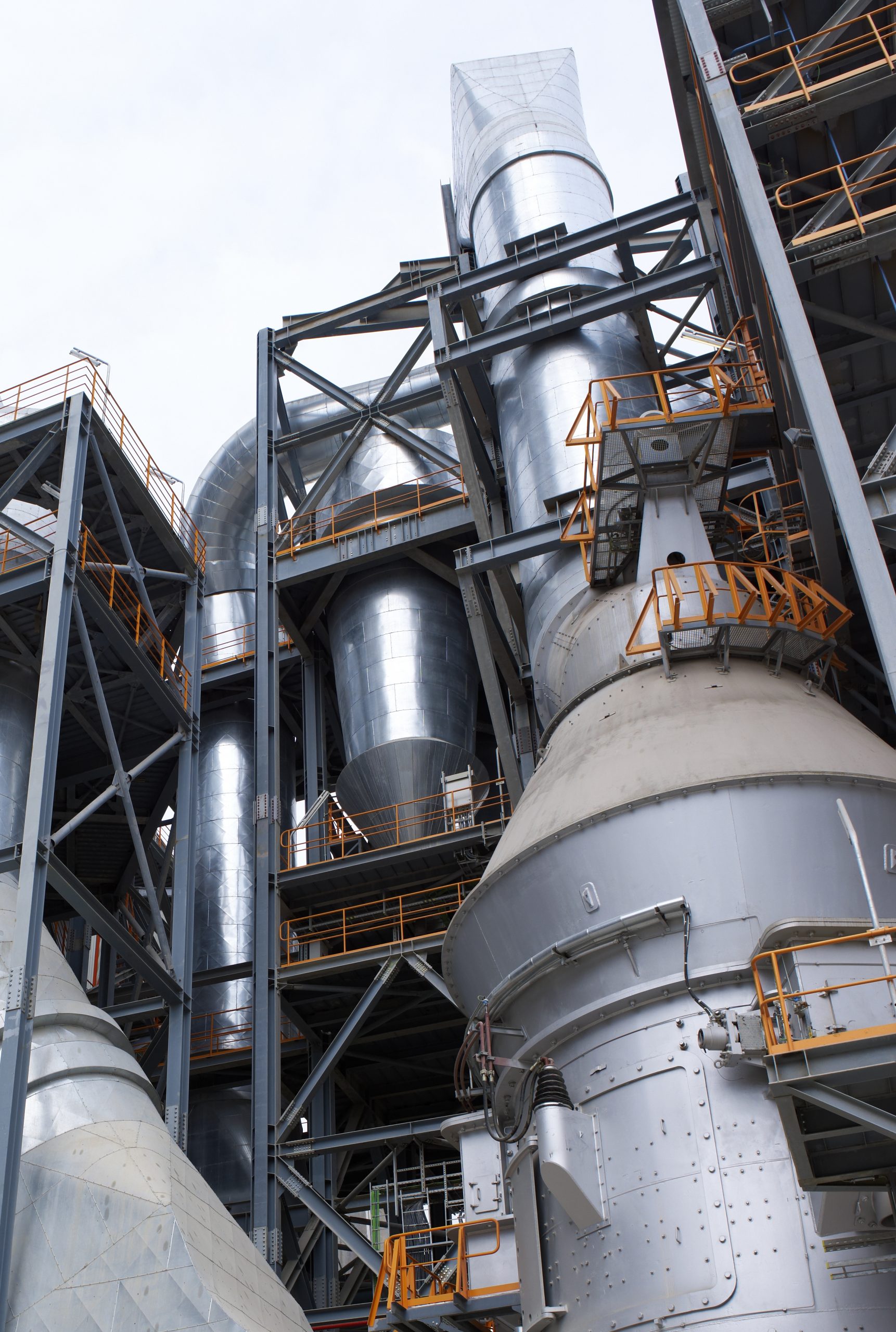
This seminar will provide a comprehensive overview of Vertical Roller Mills (VRMs), focusing on their mechanical reliability, maintenance best practices, and performance advantages over traditional grinding systems. Topics will include:
Key Benefits of VRMs
Participants will explore the core advantages that make VRMs a preferred choice in modern cement plants:
- Reduced Operating Costs through energy-efficient grinding (up to 50% less power than ball mills)
- Enhanced Product Quality with tighter control over particle size distribution
- Greater Process Flexibility to accommodate varying feed materials and moisture levels
- Improved Strength Development in finished cement due to optimized grinding conditions
- Lower Maintenance Requirements thanks to fewer moving parts and wear-resistant components
- Compact Design & Easy Installation, ideal for both new and retrofit applications
Seminar Focus Areas
The seminar will dive deep into the reliability and maintenance aspects of VRMs, including:
- Component-Level Reliability: Inspection and upkeep of grinding rollers, table liners, hydraulic systems, and gearboxes
- Preventive Maintenance Planning: Scheduling, condition monitoring, and predictive diagnostics to minimize downtime
- Wear Management: Strategies for extending the life of wear parts and reducing replacement frequency
- Operational Adjustability: How to fine-tune parameters such as pressure, airflow, and feed rate for optimal performance
- Handling Hot Feed Materials: Techniques for maintaining stable operation under high-temperature conditions
- Troubleshooting Common Issues: Vibration analysis, lubrication failures, and system calibration
This seminar will explore the critical design and maintenance principles that ensure gear units operate safely, efficiently, and reliably under demanding industrial conditions. Attendees will gain actionable insights into optimizing gear unit performance and extending service life through informed design and maintenance practices.
Core Topics Covered
- Material & Construction Selection
Understand how gear unit materials and fabrication techniques impact durability, load capacity, and thermal behavior. Learn how to match gear construction to specific operational environments. - Tooth Ratings & Compliance Standards
Explore how gear tooth strength is rated and why adherence to customer-specified standards (e.g., AGMA, ISO) is essential for performance and warranty assurance. - Joint Design & Mounting Techniques
Learn how to engineer joints for maximum mechanical stability and fatigue resistance. Discover mounting strategies tailored to application type, load distribution, and vibration control. - Lubrication Systems & Maintenance
Dive into lubricant selection, delivery methods, and condition monitoring. Understand how proper lubrication prevents wear, overheating, and premature failure. - Guarding & Rotational Safety
Examine best practices for guarding rotating shafts, couplings, and exposed components to meet safety regulations and protect personnel. - Noise Management in High-Speed Gearboxes
Assess noise generation risks and mitigation strategies, including acoustic shielding and personal protective equipment for operators. - Safety Protocols
Review essential safety measures such as proper lifting techniques, lockout/tagout procedures, and emergency isolation systems. - Selection Criteria & Continuous Improvement
Learn how gear unit selection influences system reliability and how iterative design improvements can enhance performance over time.

Highlights
This seminar will provide a structured assessment of the plant’s operational landscape, with a targeted focus on equipment availability, reliability, and maintenance cost optimization. Participants will engage in hands-on analysis and strategic planning to enhance asset performance and reduce operational risk.
🛠️ Key Focus Areas
Plant Reliability Assessment
Evaluate current equipment performance metrics, identify bottlenecks, and analyze maintenance cost drivers to guide improvement initiatives.Design Awareness & Operational Boundaries
Develop a clear understanding of equipment design principles and limitations to prevent misuse and extend asset life.Preventive Maintenance Optimization
Learn how to standardize and refine preventive maintenance techniques to boost overall equipment effectiveness (OEE) and minimize unplanned failures.Best Practice Implementation
Review proven maintenance methodologies and apply them to achieve sustainable, stable runtime across critical assets.Participant Engagement & Learning Culture
Foster a proactive learning environment that encourages curiosity, skill development, and cross-functional collaboration among participants.

Aims of the seminar
This seminar is designed to equip participants with advanced, outcome-driven knowledge and practical skills in cement plant maintenance. Through a focused exploration of plant components and systems, attendees will learn how to implement effective preventive maintenance strategies, address cost-efficiency challenges, and apply root cause and failure mode analysis to improve reliability.
🔹 Core Objectives
Participants will:
Gain a deep understanding of cement plant equipment, its design limitations, and maintenance requirements
Learn to identify and eliminate failure modes through structured analysis techniques
Develop and apply preventive maintenance practices that enhance equipment availability and reduce operational costs
Analyze and benchmark key performance indicators (KPIs) relevant to the cement industry, including:
Reliability Factor (RF)
Mean Time Between Failures (MTBF)
Availability Factor (AF)
Mean Time To Repair (MTTR)
Failure Modes, Effects, and Criticality Analysis (FMECA)
Engage in hands-on activities that reinforce learning through real-world scenarios and case studies
Build a foundation for comprehensive maintenance planning, execution, and continuous improvement
This seminar emphasizes practical application, data-driven decision-making, and strategic thinking, preparing participants to lead reliability initiatives and drive measurable improvements in plant performance.
Performance Tracking & Maintenance Optimization
Establish precise and continuous measurement of student progress and knowledge acquisition, using technical and conceptual data analysis to generate actionable insights.
Visualize learning outcomes through graphing and trend analysis, enabling staff and leadership to make informed decisions that align with both current operational needs and future demands of the plant.
Provide the organization with strategic tools and metrics to assess training effectiveness and adapt maintenance strategies accordingly.
🛠️ Maintenance Planning & Workforce Efficiency
Support maintenance teams in boosting productivity and enhancing workforce quality through targeted planning and skill development.
Anticipate and eliminate potential delays by proactively identifying bottlenecks and aligning resources.
Quantify operational risks and mitigate their impact through robust planning, scheduling, and coordination of:
Maintenance personnel
Spare parts and materials
Equipment access and availability
Ensure seamless execution of maintenance activities that contribute to plant reliability, cost-efficiency, and long-term sustainability.
Learning Outcomes
Continuous education and skill development
Advance techniques and new skills
Enhance teamwork
Improve maintenance quality and productivity
Best maintenance practices
Equipment design and limitations
PRELIMINARY PROGRAM
Foundations of Reliability & Maintenance Excellence
Morning Session
- Introduction to Reliability Engineering in Cement Plants
- The Role of Maintenance in Production Stability
- Understanding Failure Modes (FMEA)
- Equipment Criticality Analysis for Chinese Cement Plants
Afternoon Session
- Preventive vs. Predictive Maintenance
- Building a Reliability‑Centered Maintenance (RCM) Strategy
- Case Studies: Common Failure Patterns in Chinese Plants
- Workshop: Identifying Critical Assets in Your Plant
Key Outcomes: Participants understand reliability principles, failure modes, and how to prioritize maintenance resources.
Kiln Mechanical Reliability & Inspection Techniques
Morning Session
- Kiln Shell, Tire, and Roller Mechanics
- Alignment Principles and Common Misalignment Symptoms
- Kiln Drive System Reliability
- Detecting Early Signs of Mechanical Failure
Afternoon Session
- Kiln Vibration Analysis
- Kiln Shell Temperature Monitoring
- Lubrication Excellence for Kiln Components
- Workshop: Diagnosing Kiln Mechanical Problems
Key Outcomes: Participants gain practical skills to improve kiln mechanical reliability and reduce unplanned shutdowns.
Grinding System Reliability (VRM, Ball Mill, Roller Press)
Morning Session
- VRM Reliability: Hydraulic System, Gearbox, Rollers
- Separator Efficiency & Mechanical Stability
- Roller Press Maintenance Strategies
- Ball Mill Reliability: Bearings, Girth Gear, Drive Systems
Afternoon Session
- Lubrication Best Practices for Grinding Equipment
- Condition Monitoring Tools (Vibration, Oil Analysis, Thermography)
- Workshop: Troubleshooting Grinding System Failures
Key Outcomes: Participants learn how to stabilize grinding systems, reduce failures, and improve maintenance planning.
Failure Analysis, Root Cause, and Condition Monitoring
Morning Session
- Root Cause Analysis (RCA) Techniques
- How to Build a Failure Investigation Report
- Common Root Causes in Cement Equipment Failures
Afternoon Session
- Condition Monitoring Technologies
- Vibration Analysis Interpretation
- Oil Analysis Interpretation
- Workshop: Conducting a Full Root Cause Analysis
Key Outcomes: Participants develop strong diagnostic skills and learn how to prevent repeat failures.
Maintenance Planning, Optimization & Reliability Culture
Morning Session
- Maintenance Planning & Scheduling
- Shutdown Planning & Execution
- Spare Parts Strategy & Inventory Optimization
- KPI Development for Reliability Performance
Afternoon Session
- Building a Reliability Culture in the Plant
- Integrating Reliability into Daily Operations
- Group Exercise: Creating a Reliability Improvement Plan
- Final Q&A and Certification
Key Outcomes: Participants leave with a clear action plan to improve reliability, reduce downtime, and optimize maintenance performance.
Unlock Your Potential
What You Will Gain
Personal Growth
Enhance your skills and boost your confidence to take on new challenges.
Networking Opportunities
Connect with like-minded individuals and expand your professional circle.
Expert Guidance
Receive insights and advice from experienced professionals in the field.
Practical Tools
Access resources that help you implement what you've learned effectively.
Cement Reliability & Maintenance Optimization Seminar
enroll now
Learn more
Location: Houston, Texas
Hotel: To Be Determined (final venue will be announced soon)
Registration fee per participant: $2,500 USD. Taxes may apply.
The fee includes all training materials, certificate, welcome cocktail, coffee breaks, daily lunches, and farewell dinner.
Payment will be accepted via Credit Card or Purchase Order.
Note: This does not include the cost of your travel expenses, lodging, or personal expenses.
An invoice will be forwarded to you after receiving your registration for a seminar or training course.
Registration is not considered final until payment is received
The Cement Institute reserves the right to change the content, change the dates, cancel or postpone the seminars and training courses due to strikes, acts of terrorism, extreme weather conditions, or any event beyond the control of The Cement Institute, LLC. In case of cancellation, a notification will be sent directly to all applicants at the email address on file. If The Cement Institute cancels the event, the participant will receive a 100% refund. Your refund will be credited to the same payment method used to make the original purchase.
The Cement Institute, LLC cannot be held responsible for any cost, damage, or expenses that may be the customer due to the event being postponed or canceled. The training fee does not include travel costs, hotel accommodation, or insurance transfer.
Tel: +1 917 937 8067
Email: training@thecementinstitute.com